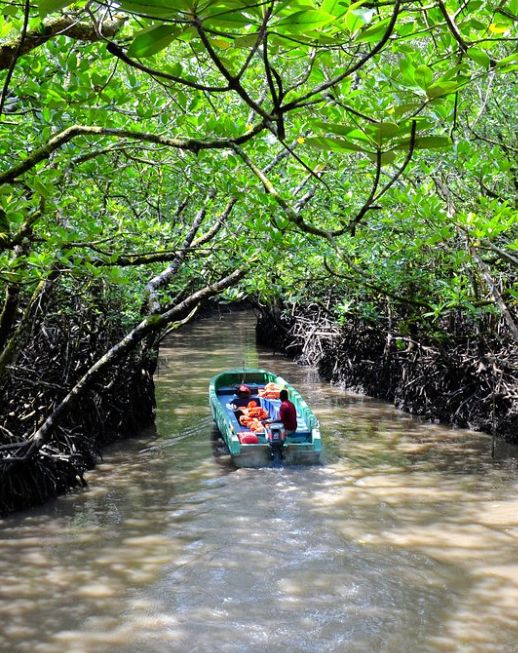
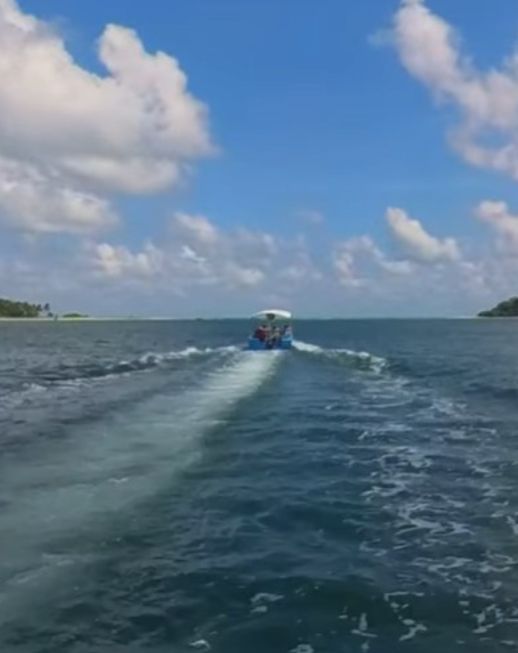
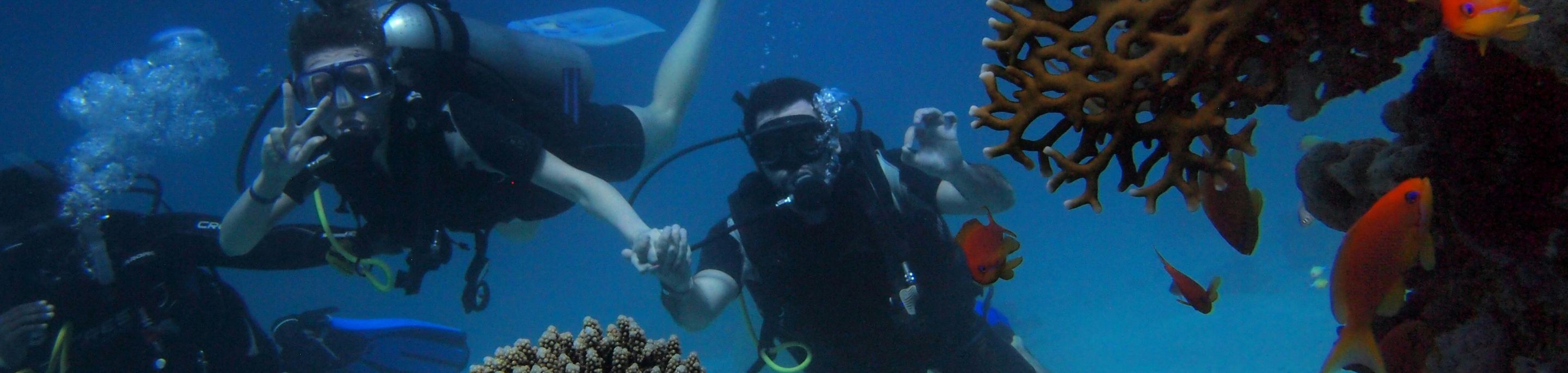
enjoy nature and Ready for water activities
Kerala, Andaman Island & Lakshadweep Island


The Andaman and Nicobar Islands is a Union Territory of India located (Established in 1956) in the southeastern part of the Bay of Bengal. It consists of a chain of 572 islands, islets and rocky outcrops, of which only about 37 are inhabited. The islands are grouped into two main clusters: the Andaman Islands in the north and the Nicobar Islands in the south, separated by the Ten Degree Channel. Andaman and Nicobar Islands are around 1,200 km (750 miles) from cities like Chennai and Kolkata from mainland India.
Indonesia: The southern tip (Great Nicobar) is only about 150 km from Sumatra.
Myanmar: The northern islands are around 190 km from the Myanmar coast.
Thailand: Located about 650 km to the southeast.
The Ten Degree Channel: This 150 km wide water body separates the Andaman group (in the north) from the Nicobar group (in the south). Indira Point is located on Great Nicobar Island, is the southernmost point of India’s entire territory. Port Blair is the capital city (Recently renamed as Sri Vijaya Puram), located on South Andaman Island. It’s gateway of Andaman Island the beach destination and connected to mainland by daily flights from Chennai or Kolkata.
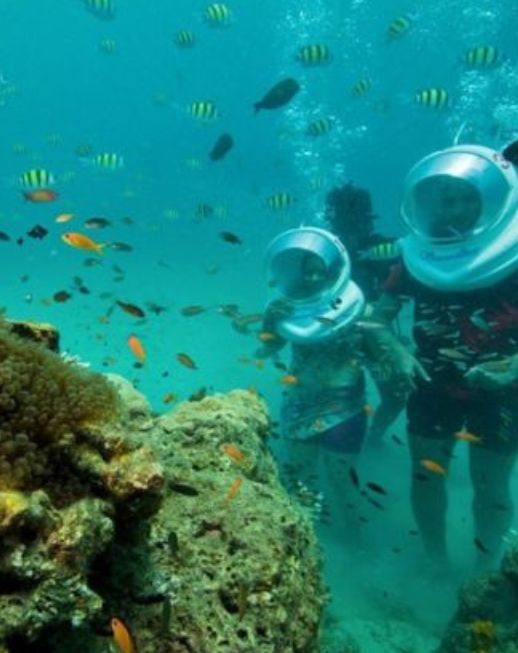
The islands are covered by nearly 80% tropical rainforest. Giant evergreen forests found mainly in deep valleys; these house massive trees like the Andaman Padauk (the state tree) and Gurjan. The islands host about 9.4% of India’s total mangrove cover. These forests are vital for coastal stability and serve as "nurseries" for marine life. There are over 30 species of true mangroves (like the Rhizophora and Avicennia), which is one of the highest diversities in the Indo-Pacific. The waters surrounding the islands are part of two global biodiversity hotspots: Indo-Burma and Sundaland. The islands feature both fringing reefs (along the east) and a barrier reef (extending 320 km on the west). They house over 600 species of coral. Dugong (Sea Cow) is the state animal of the Islands. These gentle herbivores graze on underwater seagrass meadows. They are highly endangered and best spotted near Little Andaman and Richie's Archipelago.
The unique geological features are – Barren Island: South Asia's only active volcano, creating a unique "ash-based" ecosystem where life must constantly adapt to volcanic activity. Limestone Caves: In places like Baratang Island, thousands of years of water erosion have formed massive stalactites and stalagmites, creating a rare subterranean habitat.
Festivals here are a unique blend of tribal rituals and major Indian celebrations.
Andaman Island Tourism Festival:
The premier 10-day cultural event held in Port Blair every January. It showcases local music, dance, handicrafts, and a massive seafood festival.
Subhash Mela:
Celebrated on January 23rd at Havelock (Swaraj Dweep) to commemorate Netaji Subhash Chandra Bose’s birthday, featuring patriotic performances.
Tribal Rituals:
The Ossuary Feast (Pig Festival) is a significant Nicobarese tradition where the community honors their ancestors with traditional dances and communal feasts.
Mainland Festivals:
Durga Puja (Bengali influence), Pongal and Panguni Utthiram (Tamil influence), Diwali, and Christmas are celebrated with high fervor across the islands.
The islanders are master craftsmen, utilizing the natural resources provided by the sea and forests.
Shell Craft:
Exquisite jewelry, lampshades, and decorative items are made from shells like Mother of Pearl, Nautilus, and Trochus.
Cane & Bamboo:
Artisans weave intricate baskets, mats, and furniture.
Woodwork:
The islands are famous for carvings made from Padauk (Andaman Redwood), which is known for its durability and rich color.
Tribal Body Art:
Tribes like the Onge use white clay and natural dyes for body painting during ceremonies, representing their spiritual connection to nature.
The food is a paradise for seafood lovers, heavily influenced by the coastal cultures of the settlers.
Staple Diet:
Seafood, rice, and coconut are the pillars of the local diet.
Must-Try Dishes:
Fish Curry (prepared with coconut milk), Curried Prawns, and grilled lobsters.
Tropical Fruits:
Mangoes, bananas, and pineapples grow in abundance and are served fresh or used in desserts.
Tribal Body Art:
Tribes like the Onge use white clay and natural dyes for body painting during ceremonies, representing their spiritual connection to nature.

Kerala, Andaman Island & Lakshadweep Island


Your Gateway to Coastal Paradise
info@kaldmc.com
+91 628-2125-133
TC-13/1821(6), Avittom Road, Medical College PO,
Thiruvananthapuram-695011, Kerala