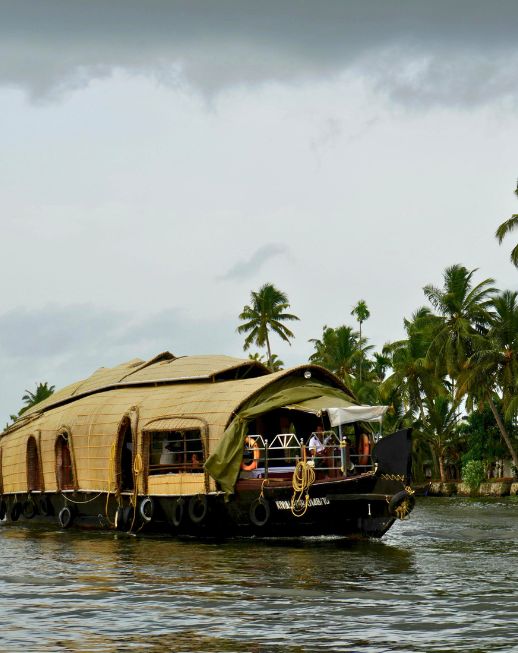
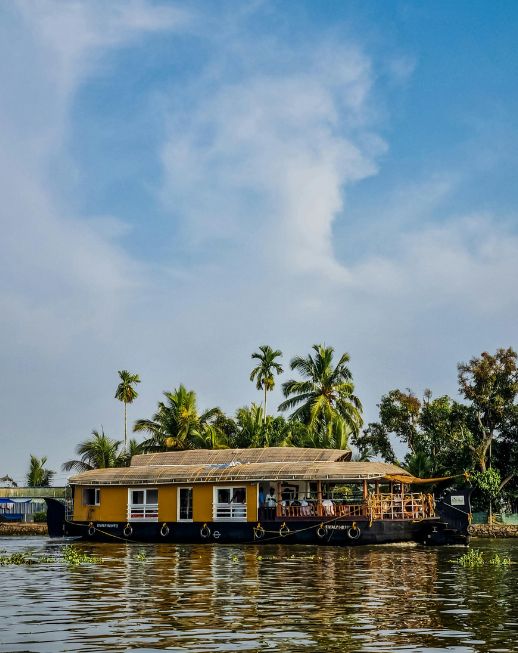
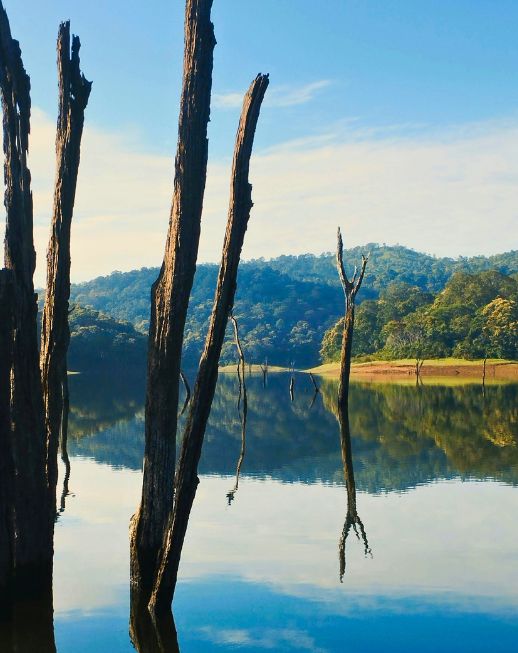
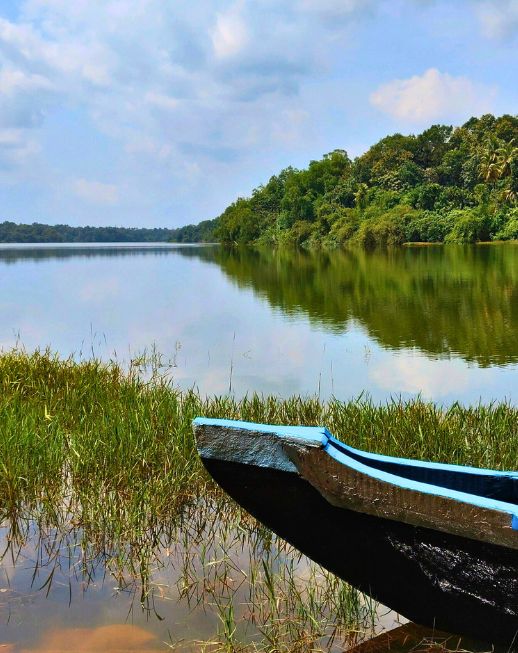
enjoy nature and Ready for water activities
Kerala, Andaman Island & Lakshadweep Island


Kerala is a state located on the southwestern coast of India. Known as “God’s Own Country,” it is famous for its lush landscapes, serene backwaters, rich culture, and high quality of life indicators.
Kerala is divided into three distinct longitudinal regions:.
The Highlands (Eastern Belt):Dominated by the Western Ghats, a UNESCO World Heritage site.
Features Anamudi, the highest peak in South India at 2,695 m. Home to vast tea, coffee and spice plantations (Munnar, Wayanad).
The Midlands (Central Belt): Characterized by rolling hills and deep valleys.
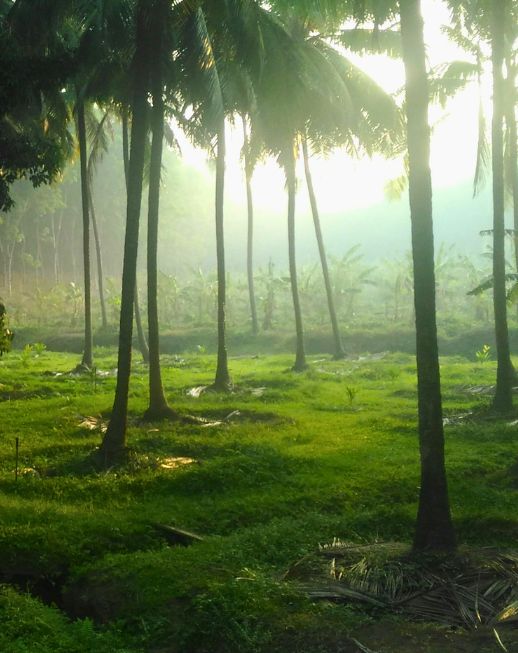
This is the heart of Keralas' agriculture, featuring rubber, coconut and fruit orchards.
The Lowlands (Coastal Belt): A flat stretch along the 590 km coastline.
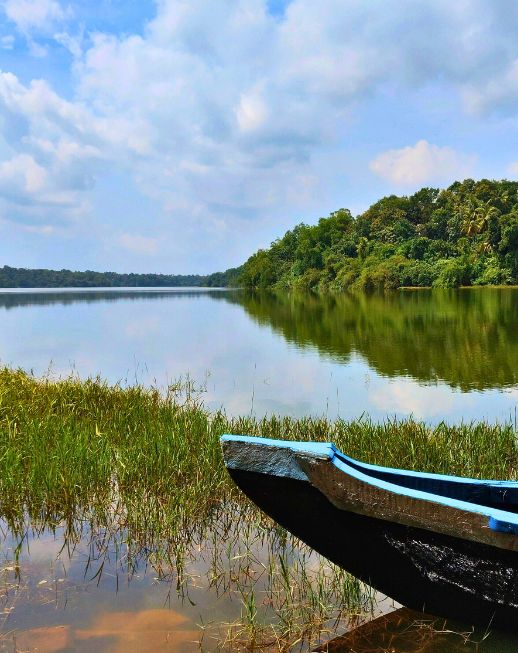
Contains the famous Backwaters, a network of 44 rivers, 38 lagoons, and massive lakes like Vembanad. Kuttanad, known as the "Rice Bowl of Kerala," is one of the few places in the world where farming occurs below sea level (up to 2.7 m below).
The backwaters are not just a tourist attraction; they are a vital ecosystem.
Navigable Waterways
Over 1,600 km of inland waterways are used for both transport and tourism.
Biodiversity
The mixing of freshwater from rivers and saltwater from the Arabian Sea creates a unique "brackish" environment home to rare species of crabs, frogs, and water birds.
Kerala’s culture is gaining unprecedented global recognition, with its cuisine recently named by Lonely Planet as one of the top 25 travel experiences in the world. The state remains a "living museum" where ancient traditions are not just preserved but actively practiced in daily life.
Kerala’s arts are famous for their "total theater" approach, combining dance, music, and elaborate aesthetics.
Kathakali:
A 17th-century classical dance-drama known for its heavy "Pacha" (green/noble) or "Kari" (black/evil) makeup and stylized hand gestures (Mudras).
Mohiniyattam:
The "Dance of the Enchantress," characterized by graceful, swaying movements that mimic the palm trees and backwaters of Kerala.
Kalaripayattu:
Widely regarded as the mother of all martial arts, it integrates strikes, weaponry, and unique massage-based healing systems (Marmachikitsa).
Theyyam:
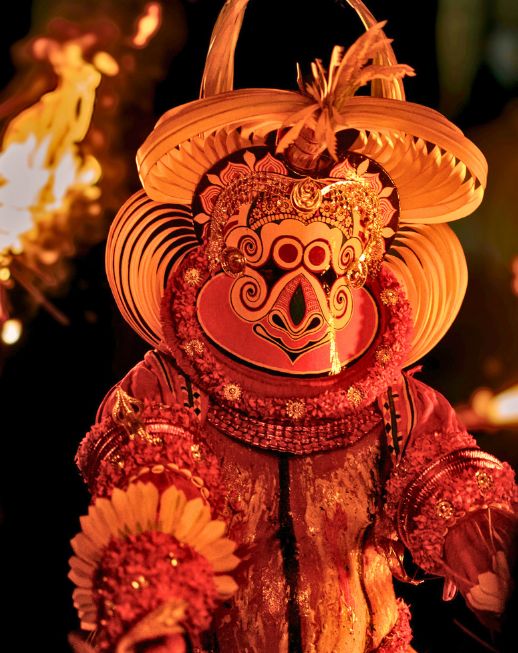
A vibrant, ritualistic art form from North Malabar where performers "become" deities through intense dancing and monumental headgears (Mudi).
Kerala cuisine is a global culinary trendsetter, celebrated for its "farm-to-banana-leaf" philosophy.
The Sadhya:
A royal vegetarian feast of up to 28 dishes served on a banana leaf, traditionally eaten during festivals like Onam.
Seafood & Spices:
Iconic dishes include Meen Mutta (fish roe), Karimeen Pollichathu (pearl spot fish grilled in banana leaves), and Malabar Biryani.
Kerala is often divided into three zones: North (Malabar), Central, and South. While it's hard to narrow down such a diverse state, these are the most visited hubs, each offering a completely different vibe.
1. Kannur:
Kannur, often called the "Land of Looms and Lores," is the cultural crown of North Kerala. It is a place where ancient spiritual traditions like Theyyam rituals and martial arts meet a rugged coastline of pristine, uncrowded beaches and colonial history.
2. Wayanad (The Wild Frontier):
Located in the North, Wayanad is for the adventurous. It’s a land of spice plantations, dense forests and ancient tribal culture.
3. Kozhikode (Calicut):
Kozhikode, formerly known as Calicut, is a historic coastal city in North Kerala celebrated for its legendary hospitality and rich culinary heritage. As the place where the Portuguese explorer Vasco da Gama first landed in 1498, it serves as a significant historical hub that beautifully blends traditional Malabar culture with a modern urban lifestyle.
4. Thrissur (Trissur):
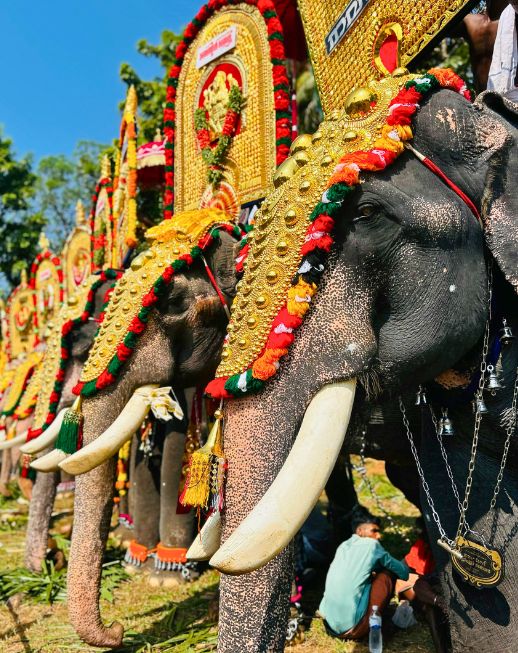
Thrissur (or Trissur), known as the Cultural Capital of Kerala, is a city where every corner feels steeped in history. Built around a large hillock called the Thekkinkadu Maidan, the city layout is uniquely circular, with all major roads radiating from the massive Vadakkumnathan Temple at its center.
5. Palakkad:
Palakkad, known as the Gateway to Kerala due to the 30 km wide mountain pass (the Palakkad Gap) in the Western Ghats, is a region of lush paddy fields, ancient forts, and vast wildlife reserves.
6. Kochi (Cochin) (The Cultural Gateway):
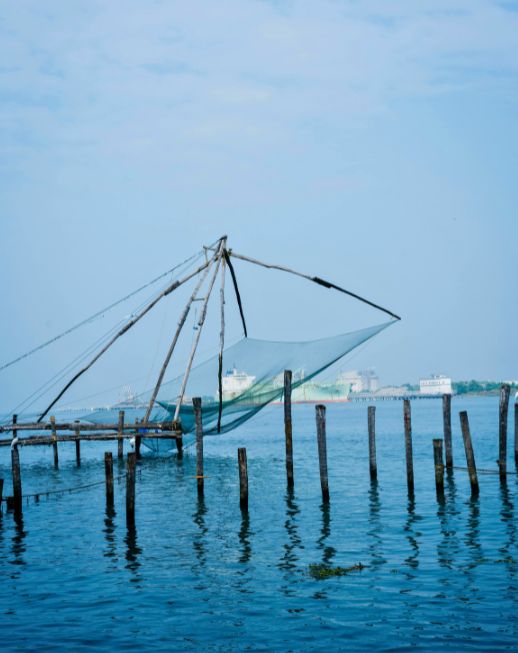
Kochi (Cochin) is the commercial capital of Kerala, but travelers know it as the "Queen of the Arabian Sea." It is a city of layers - you can walk through a 16th-century Portuguese church in the morning and visit a high-tech robotic mall in the evening.
7. Munnar (The Hill Station Paradise):
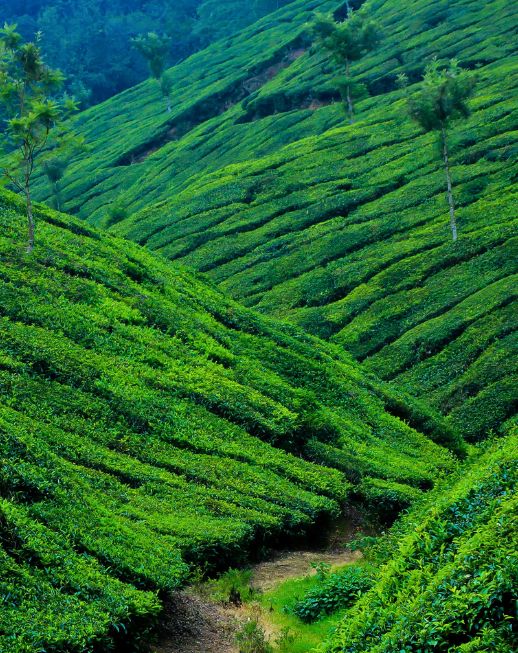
Munnar is known as the "Kashmir of South India," Munnar is where the Mudrapuzha, Nallathanni, and Kundala rivers meet. Perched at 1,600m in the Western Ghats, Munnar is defined by its endless rolling carpets of bright green tea plantations.
8. Alappuzha (Alleppey) :
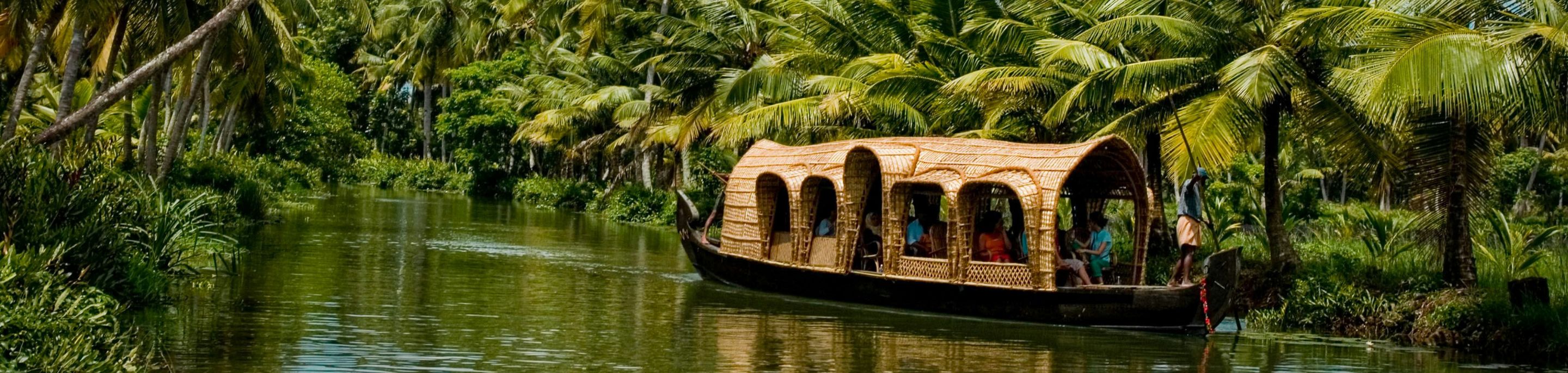
Known as the "Venice of the East. This is the heart of Kerala’s backwaters. Most people come here for the "Houseboat" experience, but the town itself has a vintage coastal charm.
9. Kumarakom:
Kumarakom is a cluster of little islands on the Vembanad Lake, often described as a more tranquil and luxury-oriented alternative to Alleppey. It is a premier destination for backwater tourism, birdwatching, and Ayurvedic wellness.
10. Thekkady:
Thekkady, home to the Periyar National Park, is Kerala's premier destination for wildlife and spice plantation tours. It is particularly famous for its unique boat safaris where you can view wild animals from the safety of a boat on an artificial lake.
11. Kollam:
Kollam, also known by its ancient name Quilon, is a historic seaport and the southern gateway to the Kerala backwaters. It is uniquely positioned on the shores of Ashtamudi LakeClick to open side panel for more information and the Arabian Sea, offering a more rustic and peaceful experience compared to other major tourist hubs.
12. Thiruvananthapuram (Trivandrum) (The Capital of Kerala):
Thiruvananthapuram, the capital of Kerala, is a city built on seven hills that perfectly balances its role as a modern administrative hub with its deep-rooted spiritual and colonial history. Known for its wide, clean avenues and traditional red-tiled roofs, it serves as the gateway to the famous beaches of southern Kerala.
13. Kovalam (The Coast):
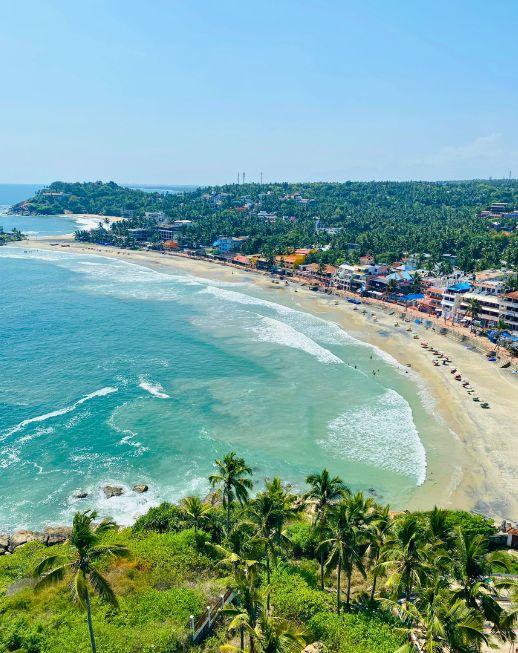
Kovalam is a world-renowned beach town in Kerala, famous for its three adjacent crescent-shaped beaches separated by rocky outcroppings. It has been a favorite for international travelers since the 1970s, offering a perfect blend of sun, surf, and traditional Ayurvedic wellness.
Timing Your Visit:
• Peak Season (October - March): The absolute best weather. Its' cool, dry, and perfect for houseboats and hill stations.
• Monsoon (June - September): Best for Ayurveda. Traditional practitioners believe the body is most receptive to treatments during the humid rainy season. Expect lush green landscapes but limited outdoor trekking.
• Summer (March - May): Hot and humid, but great for budget travelers as luxury resorts offer deep discounts.
What to Pack & Wear:
• Fabric is King: Stick to 100% cotton or linen. The humidity is no joke, and synthetic fabrics will feel like wearing plastic.
• Modesty Matters: While beaches like Varkala and Kovalam are relaxed, Kerala is culturally conservative. Carry a light scarf or shawl to cover your shoulders when entering temples or rural villages.
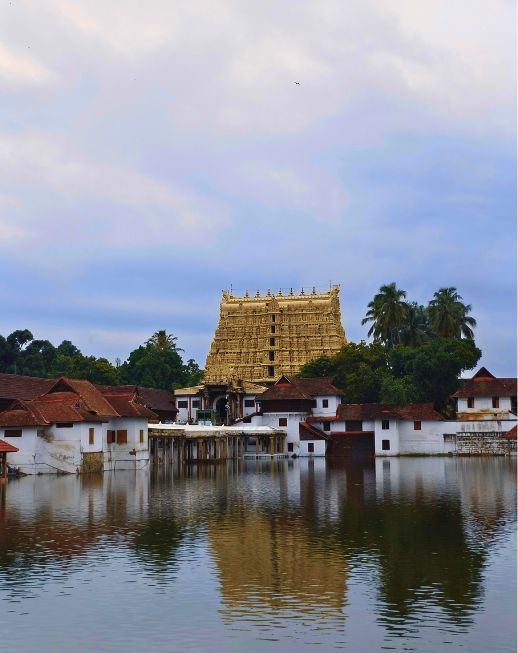
• Temple Dress Codes: Many major temples (like Padmanabhaswamy in Trivandrum) require men to wear a Mundu (dhoti) and women to wear long skirts or sarees.
• Hill Station Layers: If visiting Munnar or Wayanad, pack a light fleece. Even if it's 30°C on the coast, it can drop to 15°C at night in the hills.
Health & Food:
• Water Safety: Never drink tap water. Stick to bottled "Mineral Water" or the hot "Pink Water" (boiled with Pathimukham bark) served in local restaurants - it's safe and aid's digestion.
• Spice Levels: If you aren't used to heat, ask for "Medium Spice." Kerala's black pepper and bird's eye chilies are deceptively strong!
• Leech Protection: If trekking in Wayanad or Thekkady during or after rain, wear leech socks (usually provided by guides).

Kerala, Andaman Island & Lakshadweep Island


Your Gateway to Coastal Paradise
info@kaldmc.com
+91 628-2125-133
TC-13/1821(6), Avittom Road, Medical College PO,
Thiruvananthapuram-695011, Kerala