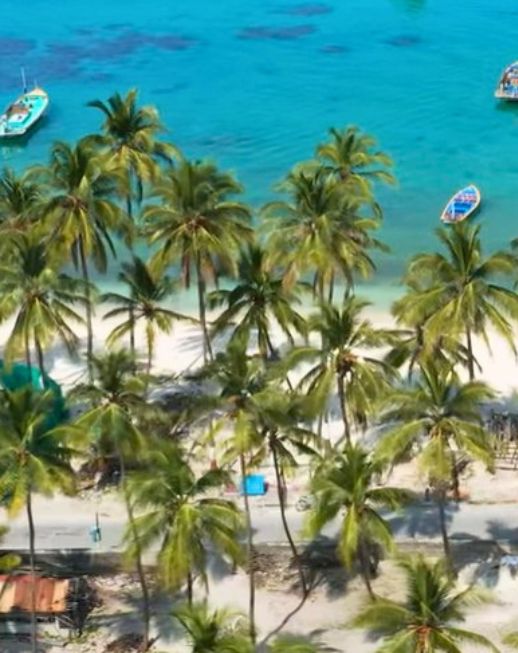
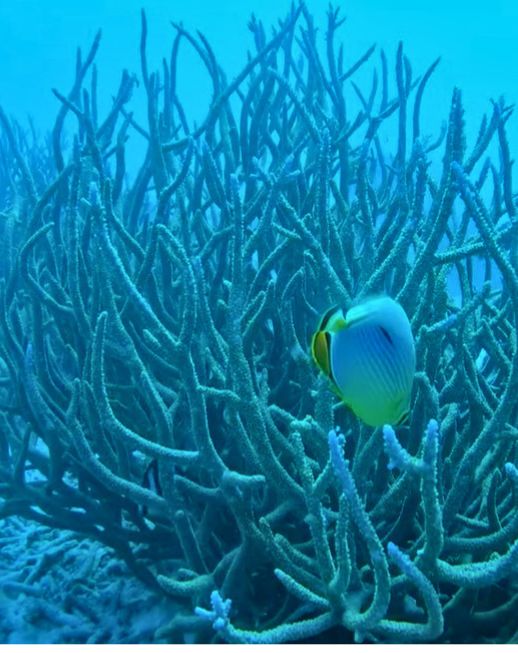
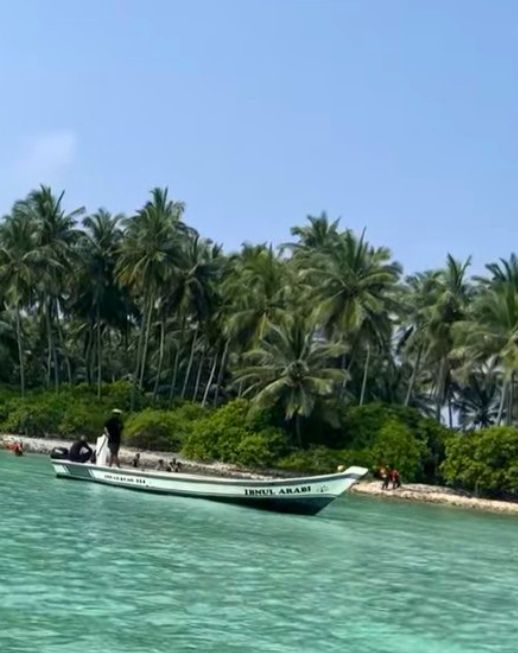
enjoy nature and Ready for water activities
Kerala, Andaman Island & Lakshadweep Island


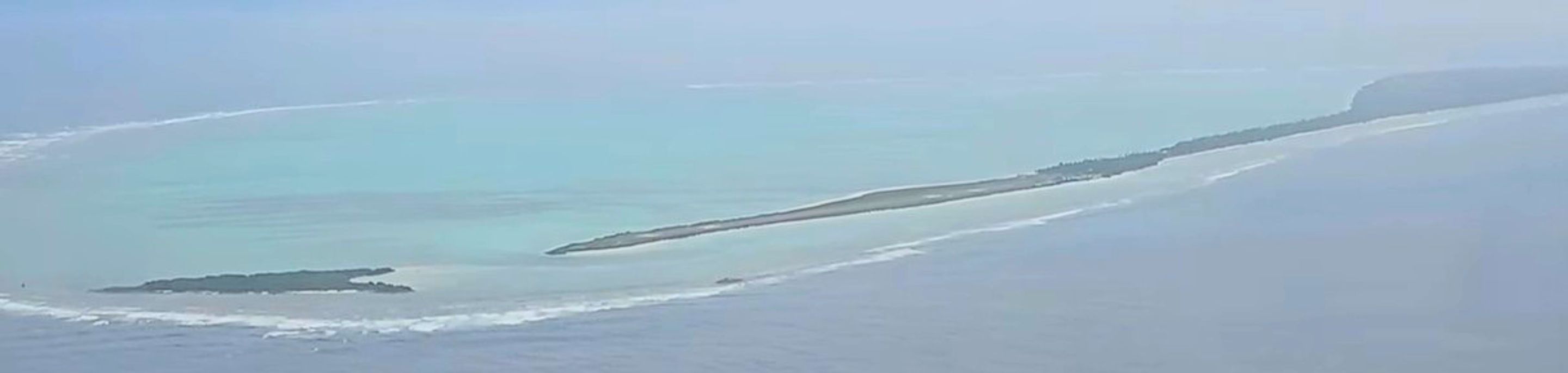
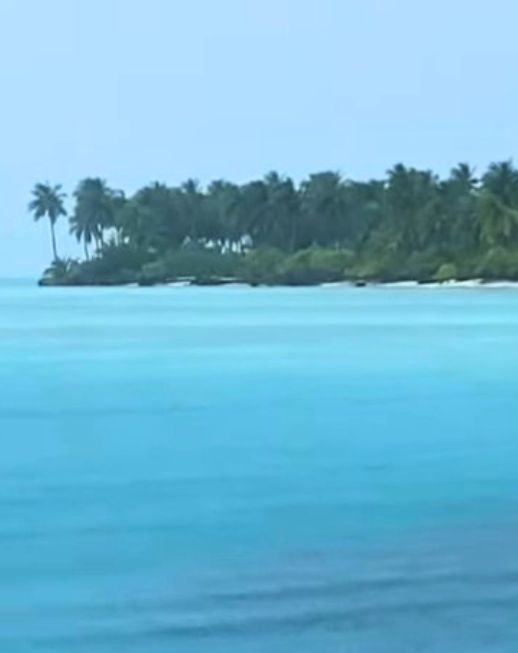
Lakshadweep, meaning "a hundred thousand islands" in Sanskrit and Malayalam, is India’s smallest Union Territory. It is a stunning tropical archipelago in the Arabian Sea, located about 220–440 km off the coast of Kerala. Known for its crystal-clear turquoise lagoons and vibrant coral reefs, it has recently emerged as a significant focus for sustainable eco-tourism and strategic maritime security. Lakshadweep has an archipelago of 36 islands, including 12 atolls, 3 reefs, and 5 submerged banks. Only 10 islands are inhabited (Kavaratti, Agatti, Amini, Kadmat, Kiltan, Chetlat, Bitra, Andrott, Kalpeni and Minicoy). Lakshadweep land area is extremely small, totaling only 32.62 sq. km, though its Exclusive Economic Zone (EEZ) spans a massive 400,000 sq. km. Kavaratti is capital of Lakshadweep.
Climate: Lakshadweep enjoys a tropical monsoon climate (20 to 32 Degree C), characterized by warm temperatures and high humidity year-round. Because the islands are small and surrounded by the Arabian Sea, the weather is tempered by cool sea breezes, making it more pleasant than the mainland during peak summer. The best time to visit is from October to mid-May.
Languages: The linguistic landscape of Lakshadweep is a fascinating mix of Malayalam-based dialects and an Indo-Aryan language that links the islands to the Maldives. While Malayalam is the official language, the daily speech of the islanders varies significantly depending on which island you visit.
Arts: The arts of Lakshadweep are a vibrant reflection of its maritime history and Islamic heritage. Because the islands were settled by people from the Malabar Coast of India and maintain deep links with the Maldives, the art forms are a unique blend of South Indian (Dravidian) and Arab-influenced traditions.
Kolkali (Stick Dance):
Parichakali (Shield Dance):
Lava (Minicoy's Signature):
Oppana:
Duffmuttu:
Traditional Instruments:
➣ Duff: A frame drum made of wood and skin.
➣ Thavil & Chenda: High-decibel drums used for festivals.
➣ Oud & Sarangi: String instruments that reflect the Arab and mainland Indian influences respectively.
Coconut Shell Craft:
Coir Products:
Lacquer Work:
Air Connectivity
➣ Kochi: Multiple daily flights (Indigo, Alliance Air and FLY91).
➣ Goa (Mopa): Daily via FLY91.
➣ Bengaluru: Regular service via Indigo.
➣ Helicopter Services: Pawan Hans continues to operate year-round inter-island transfers from Agatti to Kavaratti and other islands, which is particularly vital during the monsoon when boats are restricted.
Sea Connectivity (The Lifeline):
➣ Fleet: The administration operates 5-7 all-weather passenger ships (like MV Kavaratti, MV Corals, and MV Lagoons).
➣ Journey Time: 14 to 18 hours from Kochi or Mangalore.
➣ High-Speed Crafts (HSCs): During the fair season (October–May), 150-seater and 50-seater high-speed vessels (like Cheriyapani and Blue Marlin) operate inter-island routes, significantly cutting travel time between local lagoons.
Inter-Island Travel:
➣ Fair Season (Oct-May): Frequent boats and high-speed ferries.
➣ Monsoon (Jun-Sep): Mostly restricted to helicopters and larger all-weather ships due to rough Arabian Sea conditions.
Digital Connectivity (The High-Speed Era):
➣ Speed: The islands now enjoy 100x faster internet (initial capacity of 2x100 Gbps, expandable to 1,600 Gbps).
➣ Impact: This has enabled 5G services, seamless digital banking, and high-quality telemedicine across 11 islands (including Kavaratti, Agatti, and Minicoy).
➣ Single-Use Plastic Ban: A total ban is in effect. All goods coming from the mainland are increasingly screened for plastic packaging.
➣ The "Polluter Pays" Model: A portion of every tourist’s entry permit fee is now funneled into a dedicated Reef Restoration Fund.
➣ Material Recovery Facilities (MRF): Inhabited islands have completed construction of waste units that segregate non-biodegradables to be shipped back to the mainland for recycling, preventing the use of landfills on the fragile atolls.
➣ Chemical-Free Zone: The use of synthetic fertilizers and pesticides is strictly prohibited.
➣ Nutri-Gardens: Providing households with organic seeds for fruits like Papaya and Guava to reduce the carbon footprint of importing food from the mainland.
➣ How to Apply: Applications are primarily processed through the Official e-Permit Portal.
➣ Timeline: It typically takes 15–20 days to process. It is highly recommended to start the process at least a month before your trip.
➣ Confirmed Booking: You cannot get a permit without a confirmed resort or homestay booking. The accommodation provider usually acts as your local "sponsor."
➣ Police Clearance Certificate (PCC): You must obtain a PCC from your local district police station (or via your state’s online citizen portal) and upload it to the e-permit site.
➣ Identification: A valid Aadhaar Card, Voter ID, or Passport.
➣ Photographs: Three recent passport-sized photos.
➣ Restricted Islands: Foreigners are generally permitted only on Agatti, Bangaram, and Kadmat islands.
➣ Visa: A valid Tourist Visa for India is mandatory (no other visa types are permitted for tourism).
➣ Documentation: Passport details must be submitted along with the permit application.
➣ The Great Lagoon: Kalpeni has one of the largest and shallowest lagoons in Lakshadweep, making it a "natural swimming pool" perfect for beginners.
➣ Koomel Beach: The primary tourism hub, shaped like a curved bay. It offers breathtaking views of the Pitti and Tilakkam islets.
➣ Lighthouse Views: A 37-meter-high lighthouse offers a 360-degree panoramic view of the lagoon, the coconut groves, and the vast Arabian Sea.
➣ Water Sports: Highly popular for Kayaking, Sailing, and Snorkeling. The snorkeling point near the northern tip (Tip Beach) is known for its "live laboratory" of resilient corals that have survived recent global bleaching events.
➣ Carry Cash: While UPI is widely used in Agatti and Kavaratti, network issues can occur. BSNL and Airtel are the only reliable networks.
➣ No Alcohol: Except for the international resort on Bangaram Island, alcohol is strictly prohibited elsewhere.
➣ Narcotics: There is a zero-tolerance policy for drugs.
➣ Environmental Law: It is a punishable offense to touch, step on, or collect coral and shells. This isn't just for the environment - some corals and sea creatures (like stonefish or sea urchins) can cause painful stings.
➣ Airlines and ships will check your printed permit before you board at Kochi. Always keep 3-4 physical copies of your permit and PCC with you throughout the trip.
➣ Carry your original Aadhaar Card, Voter ID, or Passport during travel.
➣ Three passport-sized photographs.
➣ Confirmed hotel/resort booking voucher.
➣ It is recommended to start the permit and documentation process at least 15 to 30 days before your arrival.
➣ If possible, carry two SIMs, have one BSNL (for coverage) and one Airtel/Jio (for speed).
➣ While eSIMs are popular in current uses, a physical BSNL SIM is often easier to troubleshoot with local vendors if you encounter activation issues on the islands.
➣ It is much easier to get a new SIM card or a data pack in Kochi before you fly out than to find a functional telecom store on the smaller islands.
➣ Before leaving the mainland (Kochi), download Google Maps for the islands you are visiting.
➣ Always listen to the local "Call" before boarding ferries. If the administration cancels a boat due to rough seas, do not try to hire a private boat; the Arabian Sea can be unpredictable.
➣ Off the resort beaches, the islands are socially conservative. It is respectful (and safer for sun protection) to keep shoulders and knees covered when walking through local villages.
➣ The tropical sun near the equator is intense. Use high-SPF, reef-safe sunscreen and stay hydrated to avoid heatstroke.
➣ Only book activities through SPORTS (government) or PADI/CMAS certified private centers. As per new protocols require all instructors to be licensed.
➣ If you go scuba diving, do not fly for at least 18 to 24 hours after your last dive to avoid decompression sickness. Plan your dives at the start of your trip.

Kerala, Andaman Island & Lakshadweep Island


Your Gateway to Coastal Paradise
info@kaldmc.com
+91 628-2125-133
TC-13/1821(6), Avittom Road, Medical College PO,
Thiruvananthapuram-695011, Kerala